
A paid-off duplex and a brokerage account can both build wealth, but they almost never behave the same way in a storm.
Real estate has a stubborn habit of showing up wherever lasting wealth gets built. It is slow, physical, and occasionally a headache, which is exactly why it tends to balance the faster moving parts of a portfolio. The Federal Reserve Survey of Consumer Finances put the median net worth of homeowners near $396,000 in 2022, while renters sat closer to $10,400. That gap says a great deal about who tends to own hard assets and who does not.
Owning property and managing money are usually treated as two separate hobbies. Folding them into a single plan is where the quiet advantage hides, and it starts with understanding what each slice of your net worth is actually doing for you.

Real Estate as Its Own Asset Class
Stocks rise and fall on sentiment, earnings, and headlines. Property tends to march to a slower drum, driven by rents, local supply, and the simple fact that people always need somewhere to live and work. Because the two do not move in lockstep, holding both can soften the bumps that come from leaning on any single type of asset.
What Property Brings That Paper Assets Rarely Do
- Monthly cash flow from rent that does not depend on selling anything
- A natural hedge against inflation, since rents and values tend to climb as prices rise
- Leverage, where a modest down payment lets you control a much larger asset
- Tax treatment, from depreciation to deductible expenses, that most paper assets cannot match
None of that makes property a magic bullet. It simply gives you a different set of levers to pull, and a different rhythm of returns to lean on when the stock side of the ledger has a rough year.
Diversification Without the Guesswork
The textbook reason to add real estate is correlation, or the lack of it. When equities slide, a well chosen rental in a steady market often keeps paying rent as though nothing happened. That steadiness is the whole point. It lets the income keep arriving while the rest of your holdings recover. Investors who want a heavier real estate tilt sometimes step beyond houses entirely and weigh buying commercial property for a business, which carries its own risk and reward profile.
How Much Property Is Too Much
There is a catch. Real estate is illiquid, so you cannot sell a bathroom to cover an emergency. Many planners suggest keeping hard real estate somewhere in the range of ten to twenty-five percent of total net worth, then adjusting for age, income, and appetite for hands-on work. Before you stretch that allocation, it pays to know what to weigh before buying a property so the asset strengthens the portfolio instead of straining it.
Reading Your Own Risk Tolerance
Allocation is personal. A surgeon with a stable income and decades to retirement can stomach a couple of mortgages and the odd vacancy. A small business owner whose income already swings month to month may want far less debt tied up in buildings. The right number is the one that lets you sleep through a slow rental season without selling in a panic. If a sudden repair bill or an empty unit would force you to liquidate stocks at the worst possible moment, the property slice is probably too big.
It helps to picture the bad year before you buy, not after. Run the numbers on a stretch with higher vacancy, a roof replacement, and a soft rental market all landing at once. A portfolio that still functions under that kind of pressure is one built on the right foundation rather than wishful thinking.
Where a Wealth Manager Earns Their Keep
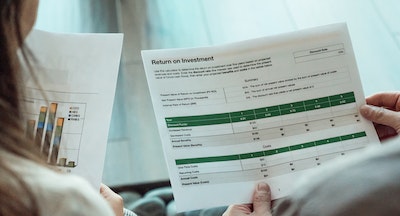
A good advisor does not just pick funds. They look at the whole board, including the equity trapped in your properties, the rent landing in your account, and the tax bill waiting at the end of the year. That wider view is where real estate and financial planning finally meet. The advisors at Zenith Investment Management tend to treat a rental portfolio as one moving part of a larger plan rather than a side project, and a regional Zenith's Scottsdale wealth management team can map how local property fits alongside retirement accounts and long-term goals.
Questions Worth Asking Before You Blend the Two
- Does my plan count home equity and rental value when measuring my real net worth
- How will rental income change my tax bracket and my retirement withdrawals
- What happens to these properties, and their mortgages, inside my estate
Answering those honestly often changes how aggressively someone buys. It also sets up the next decision, which is making sure the rent you collect actually compounds instead of leaking away. That is the heart of turning rental income into lasting wealth, and it deserves its own game plan.
Income You Can Actually Retire On
There is a reason so many retirees hold rentals. A bond pays interest and a stock might pay a dividend, but a well-run property can throw off cash that often keeps pace with inflation, since landlords can raise rents over time. For someone drawing down savings, that steady rental income can act as a buffer, letting stock holdings ride out a down market instead of being sold at a loss to cover the grocery bill.
Used that way, property becomes less of a side hustle and more of a private pension. The mortgages eventually disappear, the rent keeps arriving, and the asset is still there to pass on or sell later. Few paper investments offer that exact combination of income now and value later.
When Property Should Take a Back Seat
Real estate is not always the right answer. Someone who might need a large sum on short notice, for a medical event or a business opportunity, should think hard before locking too much into an asset that can take months to sell. Younger investors with small balances often build faster in low-cost index funds first, then add property once they have the reserves to handle a surprise. The point is not that property wins every contest. It is that property should win a deliberate seat, chosen on purpose, rather than crowding out everything else by accident.
Seeing the Whole Picture on One Page
The investors who sleep well are rarely the ones with the most doors. They are the ones who can see every asset on a single page, property and portfolio side by side, and explain how each one earns its place. Once the rentals, the retirement accounts, and the cash reserves are mapped together, gaps and overlaps jump out fast. From there, protecting those gains becomes the priority, which means thinking early about shielding real estate wealth from taxes and estate surprises rather than scrambling later.
Letting the Bricks and the Balance Sheet Work Together
Property and portfolio are not rivals. One supplies steady income and a hedge against rising prices, the other supplies liquidity and reach. Treated as teammates, they cover for each other through almost any market.
The investors who build durable wealth rarely chase the hottest asset of the moment. They decide what role each holding plays, give real estate a clear seat at the table, and then let time and rent do the unglamorous work of compounding.
Related Articles:
Investment Property Loan
Qualify for the Perfect Loan





Advice from the top cash home buyers!
"I buy in cash, renovate, then refinance out. It lets me compete with institutional buyers on price, move fast on undervalued properties, and still recycle my capital into the next deal within 90 days. Cash isn't the end game — it's the entry ticket." — Stephen, Founder of We Buy Houses Arizona
Are You a Home Owner?
Let's get your property listed.
Thank you! Your submission has been received!
Oops! Something went wrong while submitting the form.


